
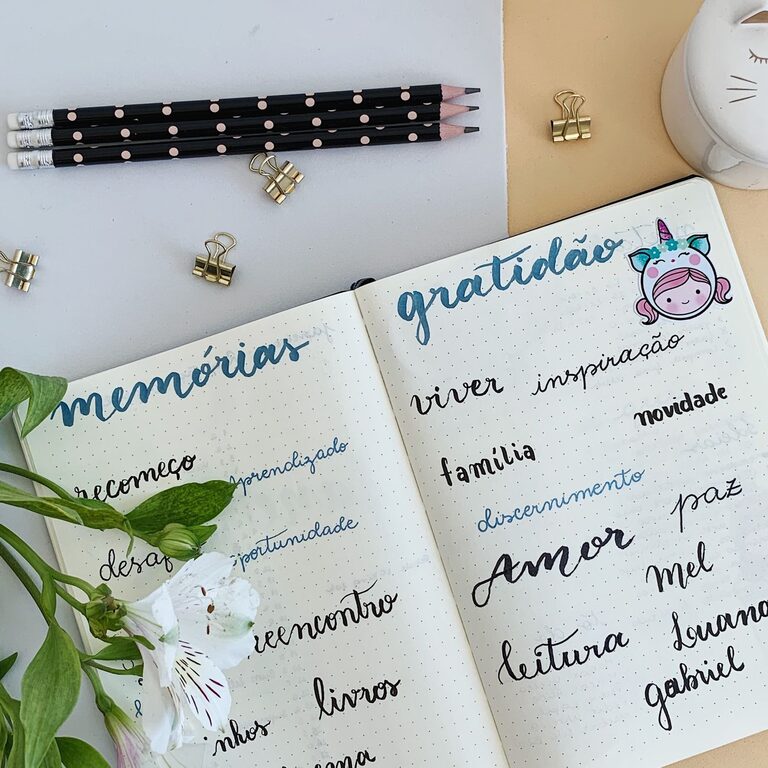
Starting a gratitude journal is a simple but powerful way to improve your mood, increase positivity, and gain perspective on life’s blessings. By regularly recording things you are thankful for, you create a habit that encourages mindfulness and helps reduce stress. If you’ve been curious about beginning your own gratitude journal but aren’t sure where to start, this guide will walk you through the process step-by-step.
What Is a Gratitude Journal?
A gratitude journal is a personal diary where you write down things, people, or experiences you appreciate. Unlike a regular journal that may focus on daily events or emotions, a gratitude journal specifically highlights positive elements in your life. The goal is to shift attention away from negative thoughts and develop a mindset that recognizes and values goodness around you.
Why Keep a Gratitude Journal?
There are many benefits to keeping a gratitude journal, including:
– Improved mental health: Regularly noting what you are thankful for can reduce feelings of anxiety and depression.
– Better sleep: Reflecting on positive experiences before bed can promote relaxation and restful sleep.
– Enhanced relationships: Focusing on gratitude can increase empathy and strengthen connections with others.
– Heightened mindfulness: Journaling encourages being present and aware of daily joys.
– Increased resilience: Gratitude can help you cope with challenges by fostering a hopeful outlook.
Choosing Your Journal
Before you start writing, decide what kind of journal fits your style and goals. Here are a few options:
– Traditional notebook: A simple, lined notebook or sketchbook can work well.
– Digital apps: Apps designed for journaling or gratitude like Day One or Gratitude Journal allow easy entry and reminders.
– Printable templates: You can find printable gratitude journal pages online to structure your entries.
– Bullet journal: If you like organizing things creatively, combine your gratitude journaling with a bullet journal system.
Choose something accessible and appealing to encourage making it a consistent habit.
How to Begin Your Gratitude Journal
1. Set Aside Time Daily
Consistency is key. Aim to spend 5-10 minutes every day—morning or evening—to reflect and write. Establishing a routine makes it part of your daily self-care.
2. Find a Comfortable Space
Pick a quiet, distraction-free area where you feel relaxed. This helps you focus and enjoy the process.
3. Start with Simple Entries
If you feel stuck, begin by listing three things you are grateful for each day. They don’t have to be big—often small moments have the most impact. Examples could be:
– A delicious cup of coffee
– A kind word from a friend
– A sunny afternoon walk
4. Use Prompts if Needed
Sometimes prompts help spark ideas. Here are a few to consider:
– What made you smile today?
– Who is someone in your life you appreciate?
– What is something beautiful you noticed recently?
– What is a personal strength you are grateful for?
– Describe a happy memory from this week.
5. Reflect on Feelings
Don’t just list items; take a moment to write why you are grateful for them and how they made you feel. This deepens the experience.
6. Be Honest and Positive
Write authentically without judgment. It’s okay if some days feel harder than others. Gratitude journaling is about exploring positivity, not ignoring challenges.
Tips for Maintaining Your Gratitude Practice
– Keep your journal visible: Having it where you see it daily reminds you to write.
– Set reminders: Use phone alarms or calendar alerts.
– Share your gratitude: Talk about what you are thankful for with friends or family to deepen the habit.
– Mix it up: Occasionally write letters of gratitude to people in your life or include drawings or photos.
– Revisit old entries: Reading past journal entries can boost mood and motivation.
Common Challenges and How to Overcome Them
– Running out of things to write: Focus on small or overlooked moments. Gratitude can be found anywhere.
– Feeling repetitive: Try writing about different areas of life such as health, relationships, nature, or personal growth.
– Missing days: Don’t worry about perfection. Start again whenever you can.
– Lack of motivation: Remember the benefits and how good it feels to reflect positively.
Final Thoughts
Starting a gratitude journal is a rewarding practice that anyone can adopt. It doesn’t require special skills or much time—just a willingness to notice and appreciate life’s good moments. By committing to this simple daily habit, you can nurture a more optimistic mindset, improve your well-being, and cultivate joy.
So grab a notebook or open an app and begin your gratitude journey today! Just a few minutes each day can make a lasting difference.