
Creating a calming evening routine doesn’t require a complete lifestyle overhaul. Small, intentional changes can go a long way in helping you unwind after a busy day and prepare your body and mind for restful sleep. Whether you’re looking to reduce stress, improve sleep quality, or simply enjoy more peace in the evenings, these tips will set you on the right path.
Why a Calmer Evening Routine Matters
Evening routines are more than just a series of tasks before bed — they are an opportunity to signal to your body that it’s time to slow down. A calming routine can:
– Reduce stress and anxiety
– Improve sleep quality and duration
– Create a sense of control and stability
– Promote mindfulness and relaxation
By making small changes, you can transform your evenings from rushed and stressful to peaceful and restorative.
Begin with Technology Boundaries
Disconnect Early
Electronic devices emit blue light, which can interfere with your body’s natural sleep cycles. Consider setting a “technology curfew” 30 to 60 minutes before bedtime. Use this time to power down screens and engage in more relaxing activities.
Try “Do Not Disturb” Mode
If you need your phone for an alarm or emergency, enable “Do Not Disturb” mode to minimize interruptions.
Create a Soothing Environment
Adjust Lighting
Dim the lights as the evening progresses. Soft, warm lighting signals to your body that it’s time to wind down. Use lamps, fairy lights, or candles (safely) rather than harsh overhead lights.
Declutter Your Space
A tidy environment promotes calmness. Spend a few minutes clearing clutter in your living or bedroom spaces so you feel relaxed rather than overwhelmed.
Incorporate Gentle Movement
Stretch or Do Yoga
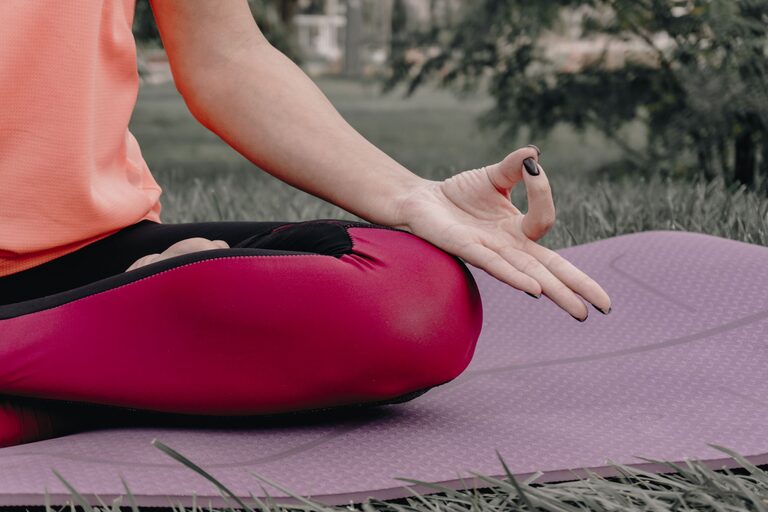
Gentle stretching or restorative yoga can relieve muscle tension and calm your mind. Focus on deep breathing as you move slowly through poses designed for relaxation.
Take a Leisurely Walk
If the weather permits, a brief walk outside in the early evening can be very soothing and help signal the transition from day to night.
Practice Mindfulness and Relaxation Techniques
Deep Breathing Exercises
Simple breathing techniques, like inhaling deeply for four seconds, holding for four, and exhaling for four, help activate the body’s relaxation response.
Guided Meditation or Progressive Muscle Relaxation
Use apps or online videos for guided meditation sessions or progressive muscle relaxation exercises. These tools support calming both mind and body.
Embrace a Consistent Sleep Schedule
Set a Regular Bedtime
Going to bed and waking up at the same times daily helps regulate your body clock. Consistency makes falling asleep easier and supports better sleep quality.
Avoid Late-Night Stimulants
Limit caffeine and heavy meals in the evening. Instead, opt for light snacks if you’re hungry and consider calming herbal teas like chamomile or lavender.
Establish a Pre-Sleep Ritual
Reading a Book
Choose a calming book—avoid thrillers or anything too stimulating. Reading can help shift your focus away from daily stress.
Journaling
Spend a few minutes writing down thoughts or a gratitude list. This practice can help clear your mind and promote positive feelings before sleep.
Limit Evening Commitments
Prioritize Self-Care
Avoid over-scheduling evening activities. Leave time for yourself to relax and recharge.
Delegate When Possible
If you have household tasks or other responsibilities, see if you can share or postpone them to avoid feeling rushed.
Quick Tips for a Calmer Evening
– Take a warm bath or shower to help relax muscles
– Listen to calming music or nature sounds
– Use aromatherapy with essential oils like lavender
– Wear comfortable clothes or pajamas
– Keep your bedroom cool and comfortable
Conclusion
Small changes to your evening routine can have a big impact on your overall well-being. By setting boundaries with technology, creating a soothing environment, practicing relaxation techniques, and following a consistent schedule, you can cultivate calmer evenings that prepare you for restful sleep. Remember, the goal isn’t perfection but progress—start with one or two changes and build from there. Over time, these habits will support a more peaceful and enjoyable end to your day.