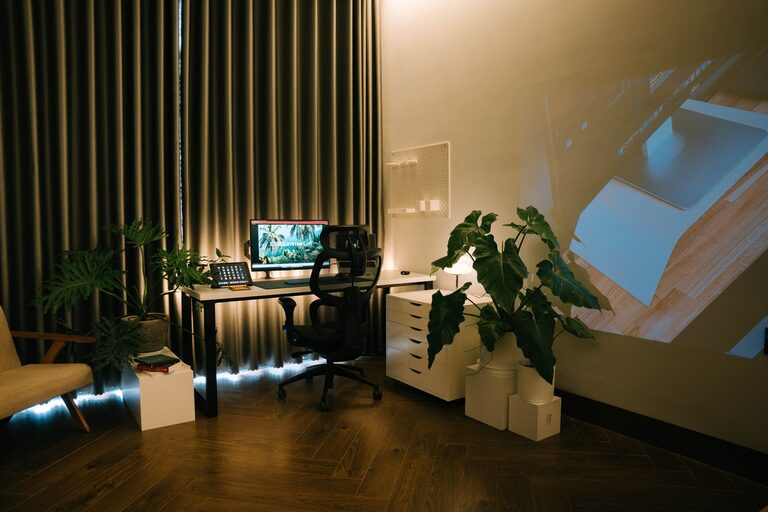
Creating a relaxing home workspace is essential for maintaining focus, reducing stress, and enhancing productivity, especially as more people work remotely. A well-designed environment can help you feel comfortable and motivated throughout your workday. In this post, we will explore practical tips and ideas to transform your workspace into a peaceful and inspiring place.
Why a Relaxing Workspace Matters
Your workspace greatly influences your mood and efficiency. A cluttered, noisy, or uncomfortable space can lead to distractions, fatigue, and burnout. Conversely, a calm and thoughtfully arranged area promotes concentration and well-being. By investing some time and care into setting up your workspace, you create a healthy balance between work and relaxation.
Choose the Right Location
Find a Quiet Spot
Begin by selecting a quiet corner or room where you can minimize interruptions. Avoid high-traffic areas or spaces with loud appliances. If space is limited, consider noise-canceling headphones to block out distractions.
Natural Light Is Key
Place your desk near a window to benefit from natural light. Sunshine not only improves mood but also helps regulate your body’s internal clock, increasing alertness during the day. If natural light is scarce, invest in good-quality, adjustable lighting that mimics daylight.
Optimize Your Desk Setup
Comfortable Chair and Desk Height
Ergonomics play a crucial role in your comfort. Choose an adjustable chair that supports your back and encourages good posture. Your desk should be at a height where your arms rest comfortably without strain. This reduces the risk of discomfort or long-term injury.
Keep Essentials Within Reach
Organize your desk so that frequently used items like pens, notebooks, or your computer mouse are easy to access. This minimizes unnecessary movement and keeps your workspace tidy.
Declutter Regularly
A cluttered desk can feel overwhelming. Use cable organizers, drawer dividers, or containers to keep cords and supplies orderly. Aim to clear your desk surface at the end of each workday to start fresh the next morning.
Incorporate Calming Elements
Use Soothing Colors
Colors influence our emotions. Soft blues, greens, or neutrals tend to create a relaxing atmosphere. Consider repainting walls or adding accessories like cushions, rugs, or artwork in these tones to enhance calmness.
Add Plants
Indoor plants are known to reduce stress and improve air quality. Small potted plants or succulents require minimal maintenance and bring a touch of nature to your space.
Personal Touches
Include a few personal items that make you happy, such as photos, meaningful objects, or inspirational quotes. Keep these to a manageable number to avoid clutter but enough to make the space feel welcoming.
Manage Noise and Distractions
Sound Control
If background noise is unavoidable, consider white noise machines, soft music, or nature sounds to mask distractions. Earplugs or noise-canceling headphones can also help maintain focus.
Limit Digital Interruptions
Set boundaries for phone and social media usage during work hours. Use apps or features that limit notifications or block distracting sites temporarily.
Establish a Routine for Your Workspace
Set Clear Work Hours
Even at home, structure your day with defined start and end times. This helps maintain work-life balance and signals to your brain when it’s time to focus or relax.
Take Regular Breaks
Incorporate short breaks to stretch, hydrate, or simply breathe. Moving away from your desk periodically refreshes your mind and reduces fatigue.
Keep Your Workspace Clean
At the end of each day, spend a few minutes tidying your workspace. This habit helps maintain the calming atmosphere and prepares you for a productive next day.
Additional Tips for Comfort and Wellness
– Temperature Control: Ensure your workspace is at a comfortable temperature. Use fans, heaters, or open windows as needed.
– Air Quality: Keep the air fresh with proper ventilation or an air purifier.
– Incorporate Movement: Consider standing desks or balance balls to vary your posture.
– Limit Screen Glare: Adjust your monitor position and use screen protectors to reduce eye strain.
Conclusion
Creating a relaxing home workspace is a powerful step toward improving your productivity and well-being. By focusing on comfort, organization, natural elements, and intentional design, you can build an environment that supports both your professional goals and personal peace. Start making small changes today and enjoy the positive impact on your work experience.